



Terra Cotta Warriors
The Terra Cotta Warriors is a category of ancient tomb sculptures. In ancient times, human sacrifice was practiced, and slaves were considered as accessories of the slave owner during their lifetime. After the slave owner's death, the slaves were buried as sacrificial objects with the slave owner. The Terra Cotta Warriors are burial objects in the shape of soldiers and horses (chariots, horses, soldiers). It is an important part of the first batch of national key cultural relics protection units and the world cultural heritage "Mausoleum of Qin Shi Huang and Terracotta Warriors".
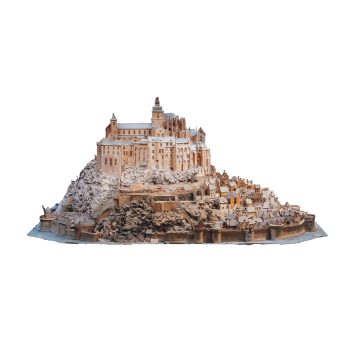
Mont Saint Michel, Normandy, France
It is an iconic historical landmark in the Normandy region of France, located on a rocky island about 1 kilometer from the coast. Renowned for its unique natural landscapes and rich historical and cultural heritage, it has been listed as a World Cultural Heritage Site by UNESCO. The history can be traced back to the 8th century when a monastery was built on the island, which later developed into an important religious center. The monastery complex on the island includes Romanesque, Gothic, and Renaissance architectural styles, and is an outstanding representative in the history of French architecture. Mont Saint Michel is not only a destination for religious pilgrimage, but also an important location for military defense.

Terra Cotta Warriors
The Terra Cotta Warriors, namely the Terra Cotta Warriors in the the Mausoleum of the First Qin Emperor, also referred to as the Terra Cotta Warriors or the Terracotta Warriors, are the first batch of national key cultural relics protection units and the first batch of Chinese world heritage sites. They are located in the Terra Cotta Warriors pit 1.5 kilometers east of the the Mausoleum of the First Qin Emperor in Lintong District, Xi'an, Shaanxi Province. More than 200 foreign heads of state and government have visited and toured, becoming a golden business card of China's ancient glorious civilization and also known as one of the world's top ten rare ancient tombs.

Terra Cotta Warriors
On March 29, 1974, farmers dug a well about 1.5 kilometers east of the the Mausoleum of the First Qin Emperor in Lishan Mountain and found the Terra Cotta Warriors. Lishan is an area filled with underground springs and waterways. For centuries, there have been occasional reports of pottery figurines and fragments from Qin tombs - roof tiles, bricks, and large blocks of bricks and stones. This discovery prompted Chinese archaeologists, including Zhao Kangmin, to investigate and reveal the largest group of pottery figurines in history. Afterwards, a museum complex was built in the area, with the largest pit surrounded by a roofed structure.

Mount Fuji volcano crater in Japan
It is a symbol of Japan and the highest peak in the country, with an altitude of 3776 meters. This volcano is located in the central part of Honshu Island, about 100 kilometers from Tokyo. It is an active stratovolcano with a volcanic eruption history dating back to about 10000 years ago. The crater of Mount Fuji is a huge caldera called Mount Fuji Crater Lake, formed by multiple volcanic eruptions. The last eruption was the Baoyong eruption in 1707, which had a huge impact on the surrounding areas. Renowned for its almost perfect cone shape and snow hat covering the mountaintop, it is a popular destination for hiking enthusiasts and photographers.

Machu Picchu, Peru
It is a historical site located in the Andes Mountains of Peru, recognized as one of the most spectacular archaeological sites of the Inca Empire. This ancient city is located on a cliff, at an altitude of about 2430 meters, overlooking the deep canyon of the Urubamba River. Built in the 15th century, it was not rediscovered by historian Hiram Bingham until 1911, which attracted worldwide attention. The architecture cleverly utilizes the terrain and harmoniously coexists with the surrounding natural environment, showcasing the superb architectural techniques and urban planning of the Indonesians. As one of the New Seven Wonders of the World, Machu Picchu attracts thousands of tourists and archaeologists every year.

Peruvian Franciscan Monastery and St. Francis Cathedral
An important religious complex located in the historical center of Lima, the capital of Peru. Founded by Fr é d é ric Francisco de la Cruz of the Franciscan Order in 1546, it is one of the oldest religious buildings in Lima. Renowned for its Spanish Baroque architectural style, the interior decoration is magnificent and boasts many precious artworks and historical relics. In addition, the library houses approximately 25000 volumes of ancient books, some of which date back to the 16th century. In 1988, the monastery and church were listed as a World Cultural Heritage site by UNESCO, becoming important cultural and religious symbols in Peru and even Latin America.

Longmen Grottoes in Henan, China
Located on both sides of the Yishui River in the southern suburbs of Luoyang City, Henan Province, China, it is one of the four major grottoes in China and a world-renowned treasure trove of Buddhist art. Excavated from the Northern Wei Dynasty to the Tang Dynasty, it lasted for more than 400 years and showcased the peak of ancient Chinese Buddhist sculpture art. Known for its grand scale, exquisite art, and rich content. There are over 2100 caves, more than 100000 Buddha statues, as well as a large number of inscriptions and pagodas in the grotto complex. The most famous among them is the Lushena Buddha, which is 17.14 meters high and has a solemn and dignified face. It is an iconic sculpture of the Longmen Grottoes. In 2011, it was listed as a World Cultural Heritage site by UNESCO.

Mir Town Castle, Belarus
Located in Mir town, Belarus, it is a historic castle complex that was originally built in the late 15th century and showcases the Gothic architectural style. Throughout its long history, the castle has undergone multiple expansions and renovations, blending Renaissance and Baroque styles to form a unique architectural masterpiece. Surrounded by square walls and towers, it has excellent defensive functions, with narrow windows on the walls and the tower capable of firing shells. In 2000, Mir Castle was listed as a UNESCO World Heritage Site due to its unique historical and cultural value. It has become a must visit destination for exploring the history and culture of Belarus.

Beishan Stone Carving Art Site in Chongqing, China
A famous stone carving art site in Chongqing, China. It is one of the important representatives of Chinese stone carving art and also a world cultural heritage. It contains many reliefs and murals carved on rocks, covering historical periods from the Tang Dynasty to the Song Dynasty. These stone carvings showcase religious and philosophical ideas such as Buddhism, Taoism, and Confucianism, as well as historical and folk stories. It combines elements of Buddhism and Taoism, with exquisite carving techniques and vivid expression. Some of these works depict Buddhist scriptures and legendary stories, showcasing the spiritual essence of Buddhist faith and practice. Attracting the attention of numerous tourists and art enthusiasts.

Persian Garden
The Persian Garden in Iran, designated as a World Cultural Heritage site in 2011, consists of nine gardens located in nine provinces. These nine gardens were constructed at different times, with the earliest dating back to the 6th century BC. The main design concept of Persian gardens highlights the symbolic imagery of the four elements of Eden and Zoroastrianism - sky, water, earth, and plants. All gardens are divided into four parts, and water plays an important role in irrigation and decoration. Pavilions, pavilions, walls, and precise water flow irrigation systems are important features of gardens.

【 3D Printing 】 Easter Island Stone Statue Moai
Moai, also translated as Moai, Moai, and Moai, is a group of giant human figures located on Easter Island, scattered throughout the island, and is one of Chile's tourist attractions and world heritage sites. Some moai will be placed on a stone platform called 'Ahu'. These moai have only the upper body, a pair of long ears, deep sunken eyes, a shaved forehead and high nose, sharp jawlines, and a calm expression. Some stone statues have also been fitted with "coral eyes".

Terra Cotta Warriors
World Cultural Heritage, the golden business card of China's ancient glorious civilization. Terra Cotta Warriors is a category of ancient tomb sculptures. In ancient times, human sacrifice was practiced, and slaves were considered as accessories of the slave owner during their lifetime. After the slave owner's death, the slaves were buried as sacrificial objects with the slave owner. The Terra Cotta Warriors are burial objects in the shape of soldiers and horses (chariots, horses, soldiers). In March 1974, the Terra Cotta Warriors were discovered. In 1987, Mausoleum of Qin Shi Huang and Terracotta Warriors were approved by UNESCO to be included in the The World Heritage List, known as the "eighth wonder of the world".

Neolithic Temple Site Stonehenge in Amesbury, Wiltshire
Stonehenge is located in Amesbury, Wiltshire, England, and is visited by 1 million people from all over the world every year. Stonehenge is also called a circular stone forest. There are dozens of huge stones in a large circle, some of which are six meters high. It is estimated that the circular stone forest has been standing on this plain of Ma Pingchuan for thousands of years. In 1986, "Stonehenge, Avebury and Related Sites" was listed as a World Heritage Site. Stonehenge, also known as Salisbury Stone Ring, Sun Temple, Stone Hengzhi Stone Column, Stocken Stone Circle and other names, is a famous European Neolithic prehistoric cultural temple site.

Sangi Buddha Tower
The Sangji Buddhist complex is located on a hill about 40 kilometers away from Bhopal, the capital of Madhya Pradesh. Although it is located in a remote country, it is world-famous as the "city of pagodas. During the Peacock Dynasty, King Ashoka built this monumental historical site to house the Buddha's sacred relic. The monument consists of a group of Buddhist buildings, including megalithic pillars, palaces, temples and monasteries. Most of the history of these buildings can be traced back to the 2nd century BC to the 1st century BC. Before the 12th century, it has been the teaching center of Indian Buddhism. At present, it is the oldest extant Buddhist shrine and was listed in the world heritage list in 1989.

Paspartina Temple
The Paspartina Temple is a Hindu temple located on the banks of the Bagmati River in the east of Kathmandu, the capital of Nepal. It is one of the four major temples dedicated to Shiva in the Indian subcontinent. The construction date can be traced back to 400 AD. For more than 1500 years, an endless stream of pilgrims have come to the Paspartina Temple to pay tribute to the great statue of Shiva in their hearts. Paspartina is one of the most important temples of Hinduism. This temple has a three-story roof, and there are some buildings painted yellow and white around it. Only Hindus are allowed to enter here. If you are a tourist, you can only stand at the door and watch curiously.

New York Statue of Liberty
The Statue of Liberty (English: Statue of liberty), the full name of the Statue of Liberty National Monument, also known as Freedom Shines the World, is located on Liberty Island, New York, USA. In 1865, Eduard de Laboureille suggested that France present a statue of liberty on the 100 anniversary of the United States. The construction of the statue began in 1876. During the construction period, the project was stalled for a period of time due to lack of funds. On October 23, 1886, the Statue of Liberty was completed.

Popular Models

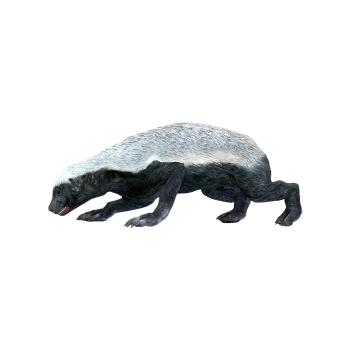
Honey Badger (3D animated model)
192 View
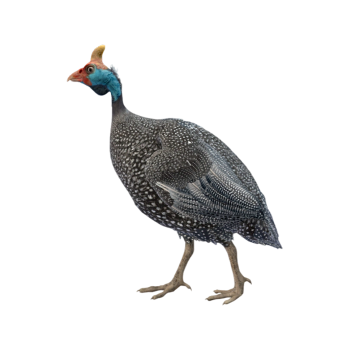
Guinea fowl (3D animated model)
163 View
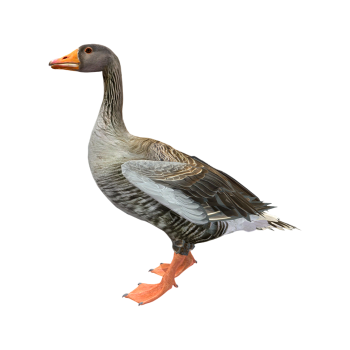
Wild Goose (3D animated model)
185 View

Red Fox (3D animated model)
153 View
Random Model

DT830D digital multimeter
1409 View



Cut pumpkin
306 View

Japanese Type10 main battle tank
810 View


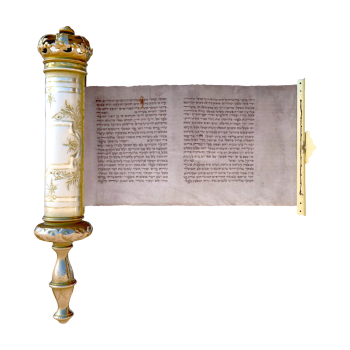
Esther's Scroll and Its Envelope
921 View
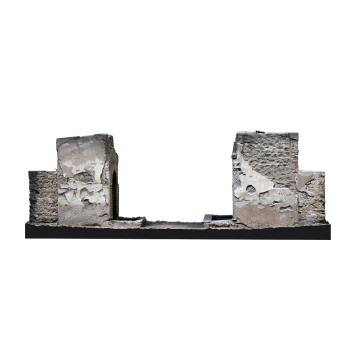
Pompeii Ancient City Inlaid Fountain
1153 View
